Lake Manyara Safari: Tree-Climbing Lions & Biosphere Guide
Discover an exotic biosphere where dense groundwater forests meet flamingo-carpeted alkaline waters and the Great Rift Valley escarpment.
The Enchantment of a Lake Manyara Safari
Ernest Hemingway famously hailed Lake Manyara as "the loveliest I had seen in Africa," and a private Lake Manyara Safari reveals precisely why this compact park captures travelers' hearts. Nestled directly beneath the dramatic 600-meter sheer red cliffs of the Great Rift Valley wall, Lake Manyara National Park spans 330 square kilometers, of which up to two-thirds consists of a shimmering alkaline lake during wet seasons.
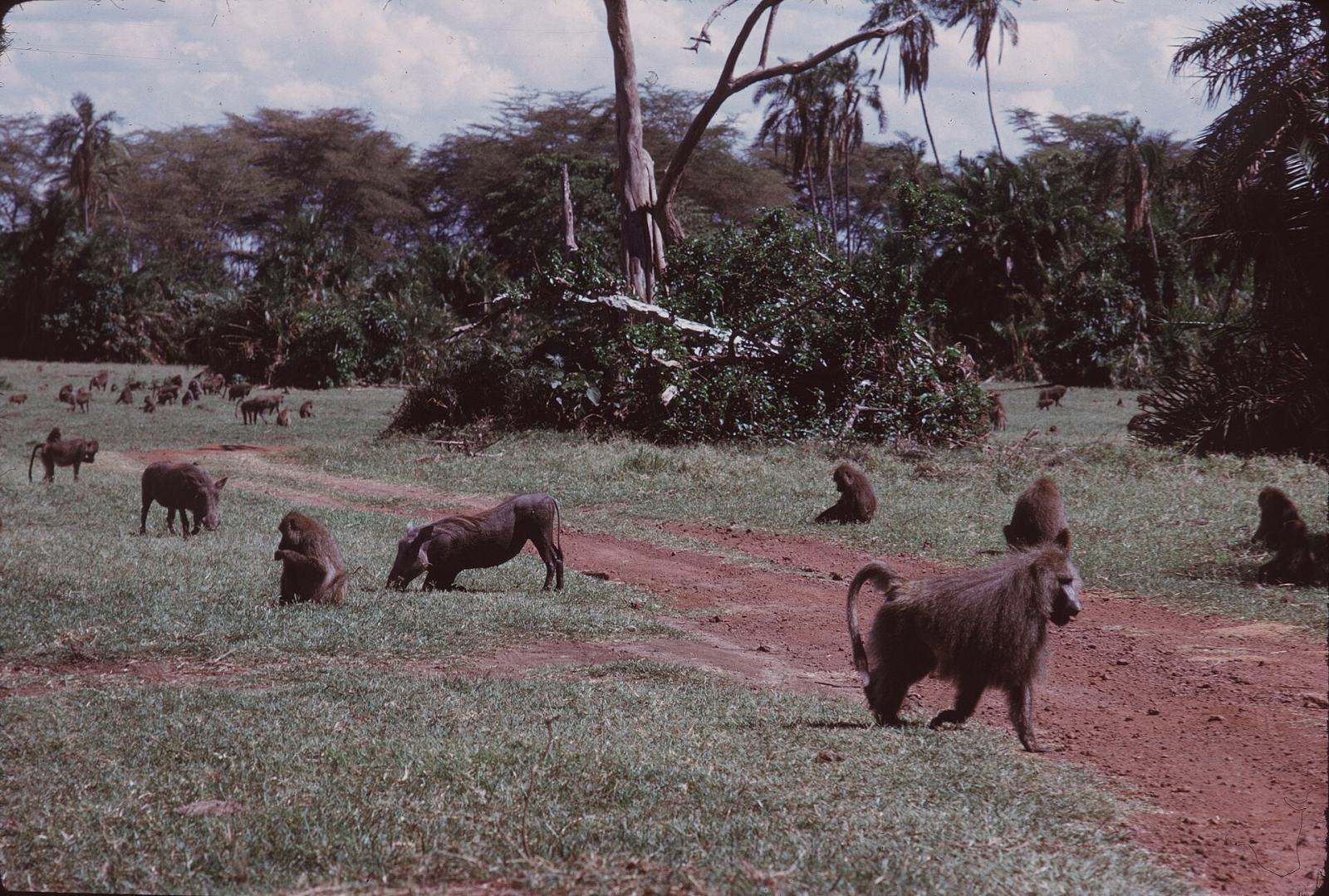
Unlike the open savannahs of the Serengeti, your Lake Manyara Safari begins beneath a dense, jungle-like groundwater forest fed by permanent underground springs emerging from the volcanic Rift Valley fault line. Towering mahogany, wild fig trees, and wild date palms create a lush canopy inhabited by hundreds of noisy baboons—in fact, Manyara hosts the largest baboon troops ever documented in Africa—alongside playful blue monkeys and silvery-cheeked hornbills.
The World-Famous Tree-Climbing Lions
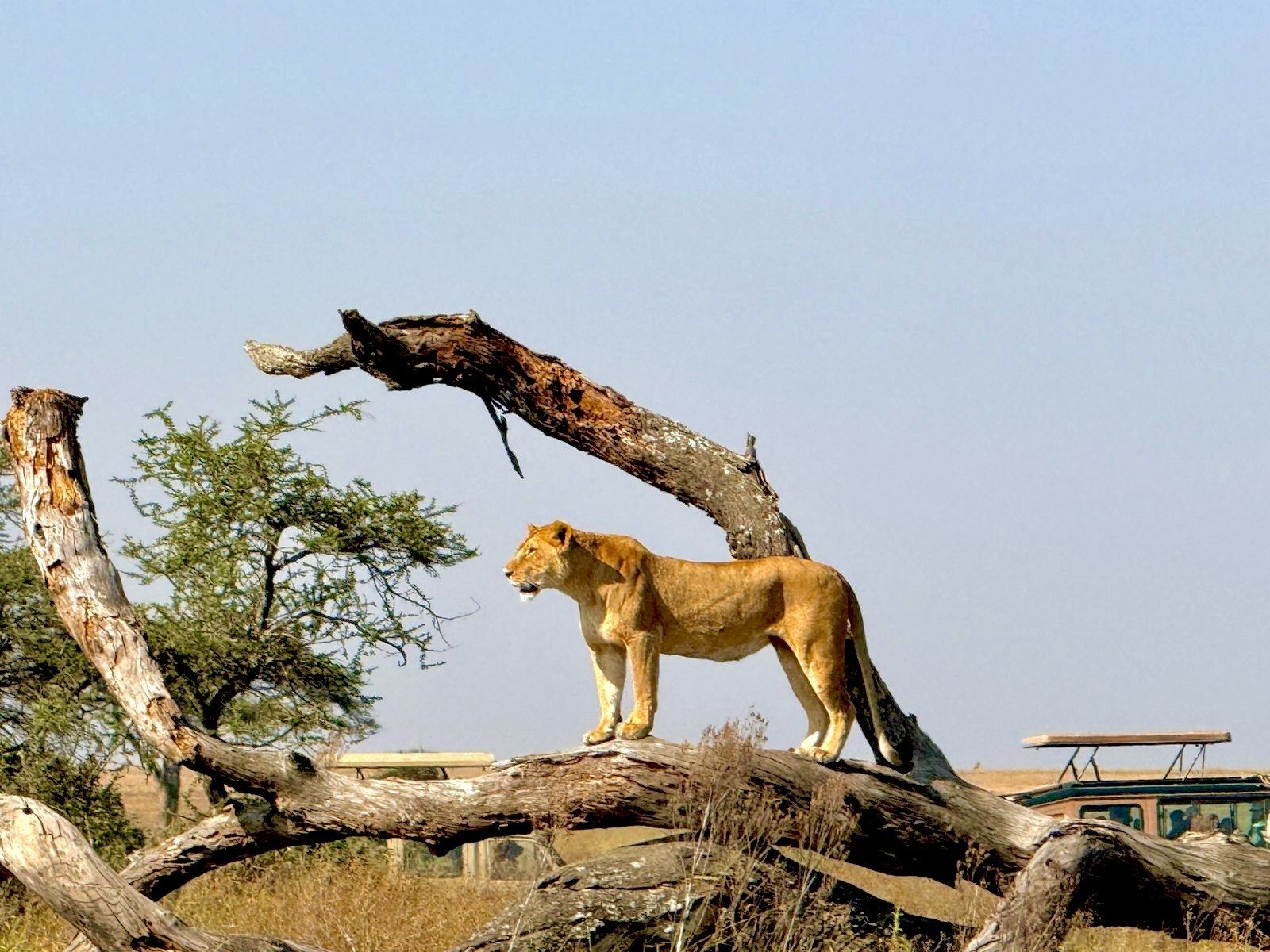
The definitive wildlife legend celebrated on a Lake Manyara Safari is its rare population of tree-climbing lions. While lions are predominantly ground-dwelling cats, Manyara's prides have developed the unusual behavioral trait of clambering high onto the sturdy branches of umbrella acacia and mahogany trees. They spend lazy afternoons perched six to eight meters above the ground to escape biting tsetse flies and catch cool breezes, affording photographers remarkable elevated portrait opportunities.
Seasonal Guide: When to Plan Your Lake Manyara Safari
Choosing the ideal season for your Lake Manyara Safari depends on whether you prioritize birdwatching or predator viewing:
- Dry Season (July to October): The best period for large mammal sightings. The groundwater forest is easily navigable, and herds of elephants, buffaloes, giraffes, and zebras congregate along open lakeshore marshes.
- Wet & Green Season (November to June): The lake swells and welcomes hundreds of thousands of pink lesser flamingos, pelicans, cormorants, and storks. The lush scenery is spectacular, and waterfalls cascade down the Rift Valley escarpment.
- Treetop Canopy Walkway: Manyara features Tanzania's first treetop walkway—a 370-meter suspended bridge walk traversing 18 meters above the forest floor, offering intimate bird and monkey viewing.
Top Experiences on a Manyara Safari
A typical Lake Manyara Safari organized by Ruttar Adventures provides a refreshing contrast to traditional plains safaris:
- Maji Moto Natural Hot Springs: Drive along the park's southern edge to see geothermal sulfur springs bubbling up at boiling temperatures near the lakeshore.
- Hippo Marsh Boardwalk: Walk out along a wooden observation boardwalk built over the marsh to observe pods of hippos submerged up to their nostrils.
- Night Game Drives: Unlike many national parks, Lake Manyara permits specialized night game drives, allowing adventurous travelers to spot elusive nocturnal creatures like leopards, genets, porcupines, and bushbabies.
How to Combine Lake Manyara with Other Parks
Located just 1.5 hours drive from Arusha and on the direct route to the Ngorongoro highlands, a Lake Manyara Safari is commonly combined with Tarangire National Park Safari, Ngorongoro Crater Safari, and Serengeti National Park. Explore our Tanzania Safari Packages for comprehensive itineraries.
Frequently Asked Questions About Lake Manyara Safaris
Are tree-climbing lions guaranteed to be seen?
While Manyara's lions are famous for this behavior, sightings depend on seasonal factors, heat, and insect presence. Our guides work with park rangers to check their favorite trees daily.
How long should I spend in Lake Manyara?
A half-day to full-day game drive is typically sufficient to explore the forest, lakeshore, and hippo pool before proceeding to Karatu or Ngorongoro.
Featured Packages Including Lake Manyara
Discover our multi-park packages featuring Lake Manyara: