Tarangire National Park Safari: Baobabs & Elephant Expeditions
Home to Africa's largest elephant herds, thousand-year-old baobab trees, and spectacular dry-season wildlife migrations.
Why Experience a Tarangire National Park Safari?
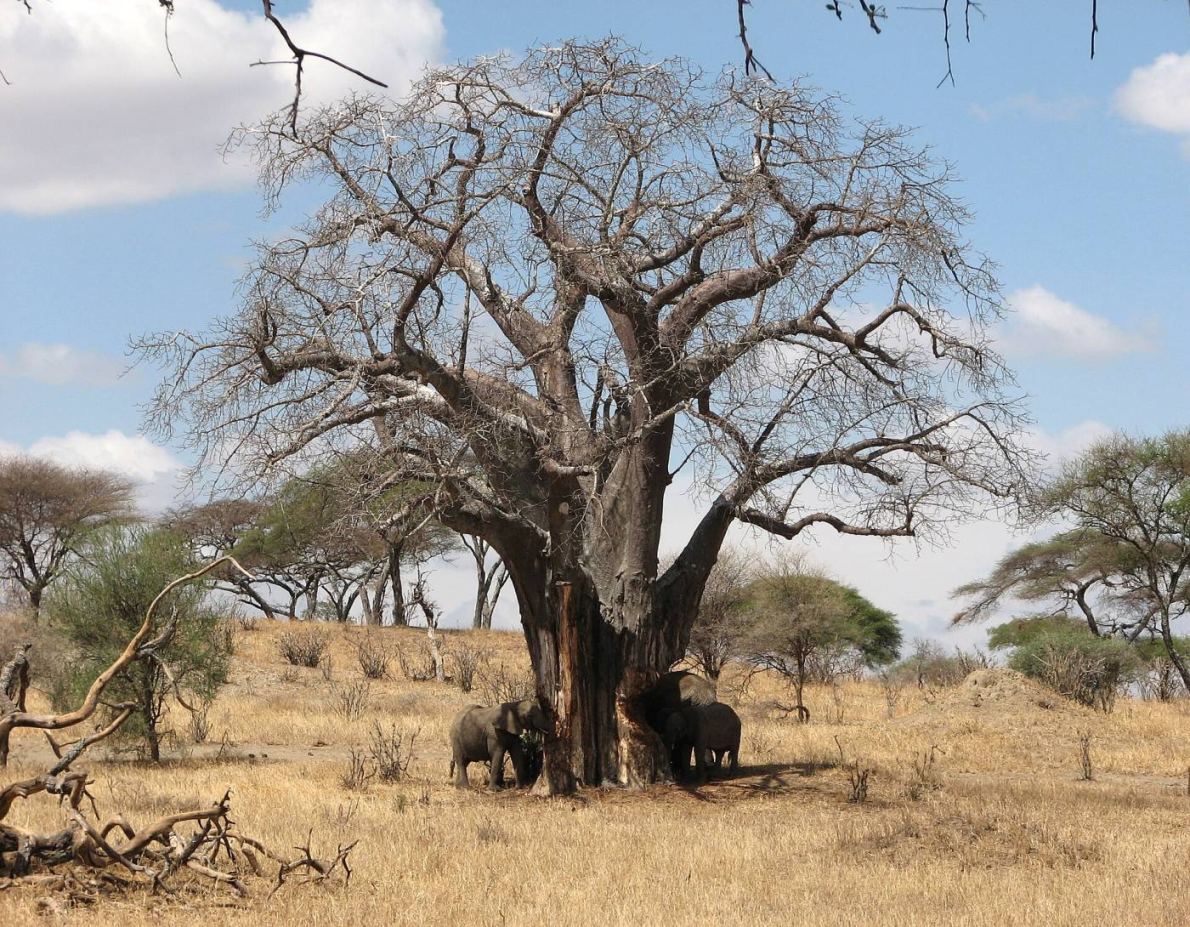
Renowned globally as the "Elephant Sanctuary of Africa," a Tarangire National Park Safari delivers an authentic wilderness encounter that feels untamed and dramatically picturesque. Covering 2,850 square kilometers in Manyara Region, Tarangire is celebrated for its sweeping acacia woodlands, rolling golden savannahs, and the largest concentration of ancient baobab trees found anywhere on the African continent. Some of these colossal baobabs have stood for more than a thousand years, their massive trunks serving as natural water reservoirs for wildlife.
During a Tarangire National Park Safari, the lifeblood of the entire ecosystem is the winding Tarangire River. During the arid months, when water vanishes from surrounding Maasai steppes, this permanent river becomes the sole lifeline for hundreds of miles. Tens of thousands of animals—including wildebeest, zebras, buffaloes, giraffes, and impalas—migrate into Tarangire, creating wildlife densities that rival even the legendary Serengeti.
The Legendary Tarangire Elephant Herds
The definitive signature of a Tarangire National Park Safari is its immense elephant population. Up to 3,000 elephants roam the park during the peak dry months. It is entirely common to observe colossal breeding herds of 100 to 300 elephants drinking side-by-side, mud-bathing, and dust-coating themselves in the dry riverbeds. Our experienced driver-guides know the most tranquil river loops where you can watch matriarchs and newborn calves interact in total silence.
Best Time for a Tarangire National Park Safari
Timing your Tarangire National Park Safari optimizes wildlife viewing opportunities depending on your interests:
- Peak Dry Season (July to October): Without question, the ultimate window for game viewing in Tarangire. The dry plains push massive herds straight toward the Tarangire River, creating exceptional predator-prey encounters right in front of your safari vehicle.
- Birdwatching & Green Season (November to May): Tarangire boasts over 550 recorded bird species, making it an internationally recognized bird sanctuary. Swamps and lagoons are alive with colorful lovebirds, kori bustards, hornbills, and African fish eagles.
- Day Trip Convenience from Arusha: Situated just 120 kilometers (75 miles) southwest of Arusha, Tarangire is the most accessible Northern Circuit park for 1-day express safaris or weekend getaways.
Top Wildlife Highlights in Tarangire
Beyond its legendary elephant families, a Tarangire National Park Safari offers rare species rarely encountered elsewhere in northern Tanzania:
- Rare Antelope Species: Tarangire is one of the few reserves where travelers can reliably spot the fringe-eared oryx, long-necked gerenuk, and the shy lesser kudu.
- Tree-Climbing Lions & Pythons: While Manyara is famous for tree-climbing lions, Tarangire's lions frequently lounge high on the sturdy lower limbs of ancient baobabs and sausage trees to escape mid-day heat.
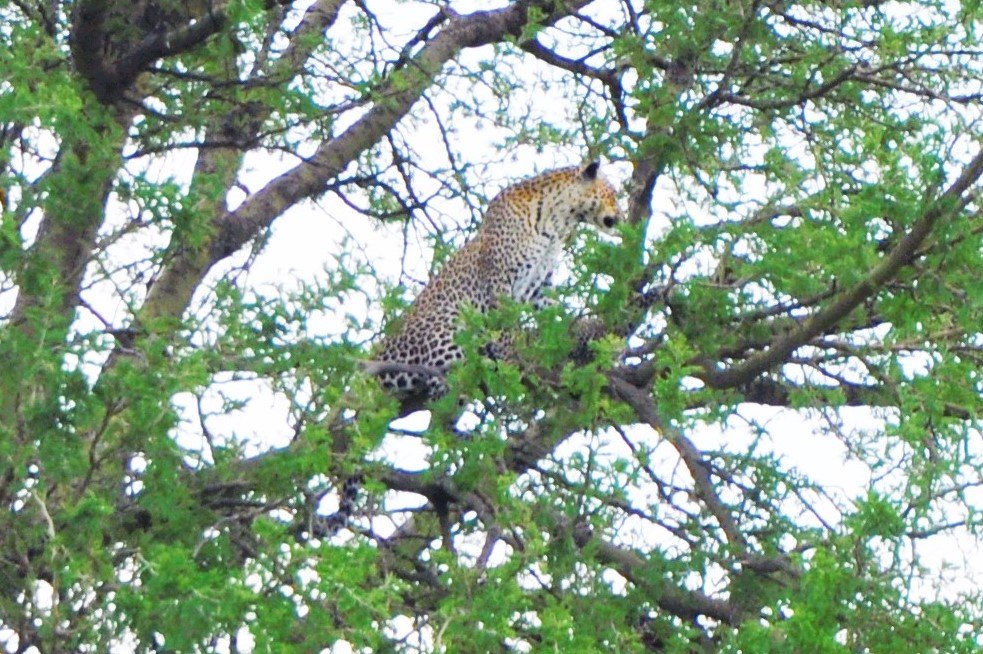
- Silale Swamps: This verdant wetland acts like a giant sponge, attracting thousands of African cape buffaloes, elephants, and leopards stalking marsh margins.
How to Combine Tarangire with Northern Circuit Safaris
Because Tarangire is located right at the gateway of northern Tanzania, it serves as the perfect springboard for multi-day safari circuits. Most itineraries begin with Tarangire before journeying onward to Ngorongoro Crater Safari and Serengeti National Park. Explore our full range of Tanzania Safari Packages or get in touch for custom planning.
Frequently Asked Questions About Tarangire Safaris
Is Tarangire worth visiting on a 1-day safari?
Absolutely! Due to its close proximity to Arusha (under 2 hours drive), our 1-Day Tarangire Safari allows you to enjoy a full 6 to 7 hours of high-density game driving in a single day.
Why do elephants scratch baobab trees in Tarangire?
During extreme dry spells, elephants use their tusks to chisel into fibrous baobab wood to chew on moist pith, obtaining vital hydration from the tree's natural water reserve.
Featured Tarangire Safari Packages
Book one of our top-rated safaris featuring Tarangire National Park: